
What the Stone in an Open Septic Trench Tells You
A closer look at the preparation that becomes hidden once underground work is covered.
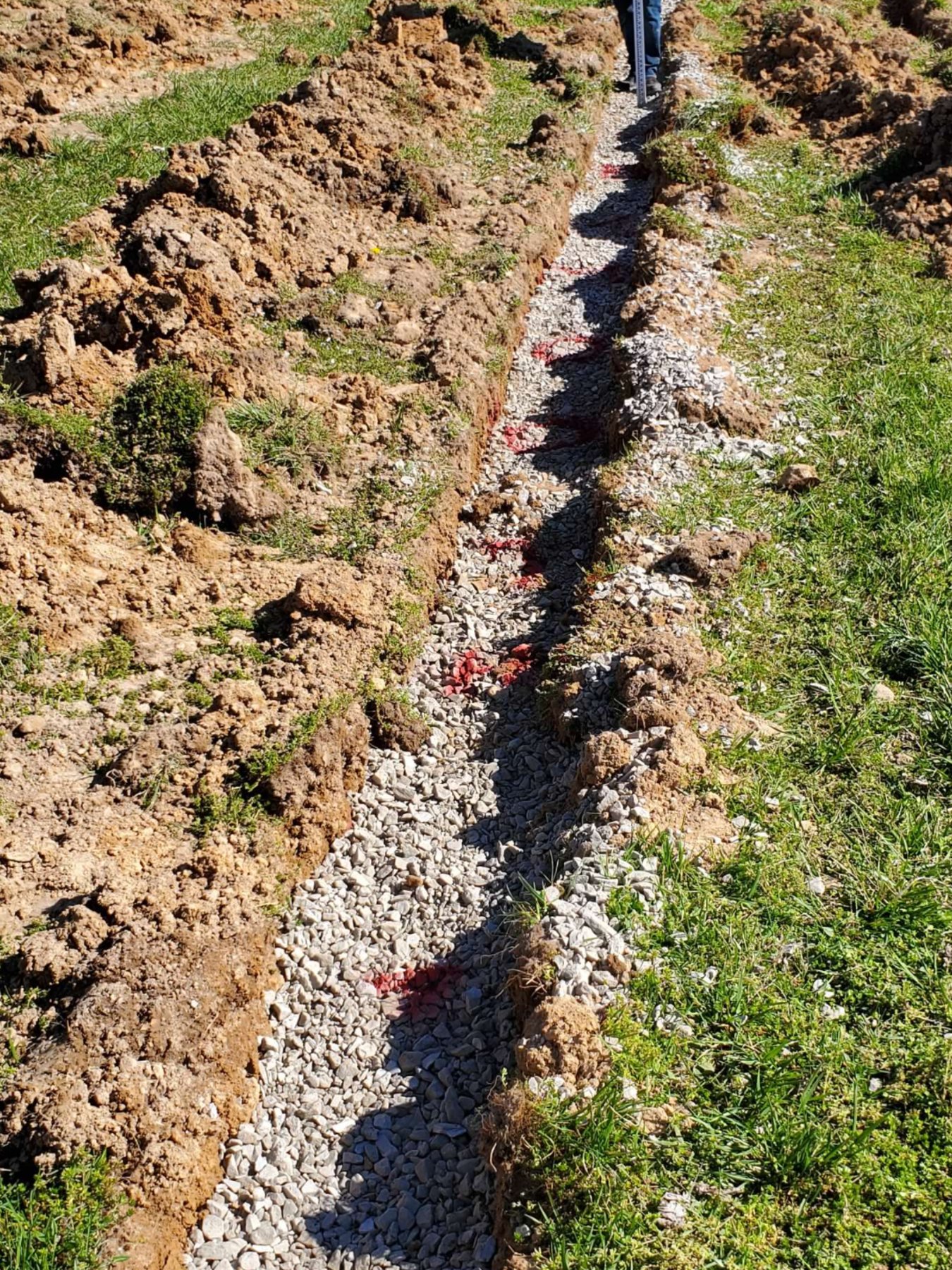
The stone-filled trench in this J&L Underground Construction project shows an intermediate stage of septic work. It is not the final lawn surface, and it is not a complete view of the system. It is part of the exposed construction process, when the preparation and route can still be seen clearly.
The materials used around a buried installation depend on the component and its approved installation requirements. Stone in one trench may have a different role from material used elsewhere on the same site. That is why the right questions are about the actual design: what is being installed, what supports or surrounds it, and what checks are needed before the work is covered.
For property owners, photographs of this stage can be useful records. A wide view helps place the trench within the yard, while closer views document connections and access locations. Ask what final drawings or installation information will also be available; photos complement those records rather than replacing them.
During the estimate discussion, ask which materials and preparation tasks are included rather than judging the whole job by the amount of excavation visible. Two installations with similar-looking trenches can involve different components and requirements. A clear description of the planned work helps explain those differences. It also gives you a better reference if a question arises while the installation is exposed and the crew can still show you the area being discussed.
A finished yard does not show all of the work that went into an underground project. Understanding the stages beneath it makes the scope easier to follow. Call J&L Underground Construction at (417) 456-0551 to discuss septic installation and what to expect from preparation through backfill.