
Septic Pipe Connections Deserve Attention Before Backfill
The joints disappear from view, but they remain part of the system homeowners depend on.
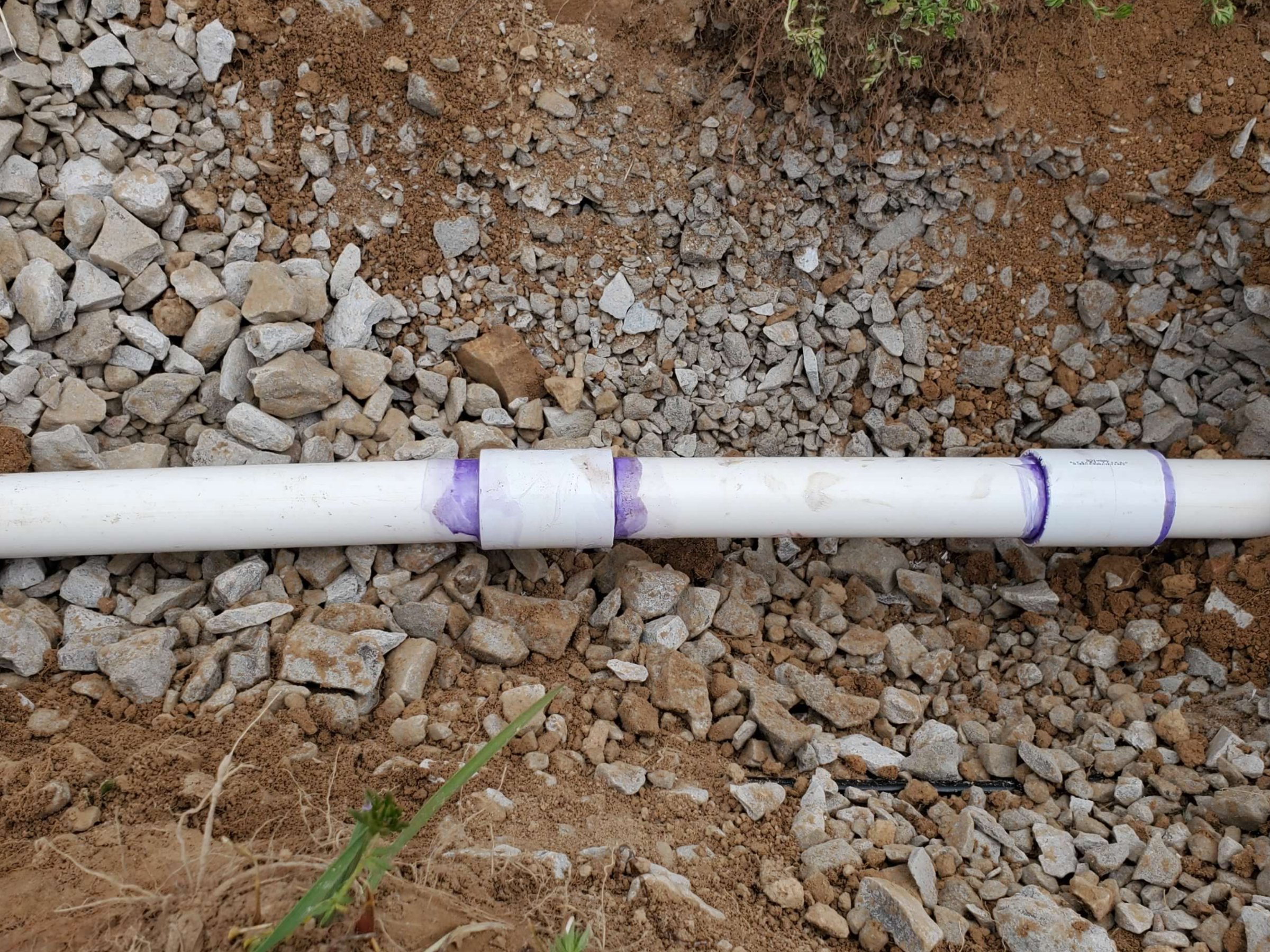
A pipe connection can look like a small detail compared with the excavation around it. This close-up from J&L Underground Construction shows white piping and fittings within an open trench, with purple primer visible at the connections. It brings attention to work that will no longer be easy to see after backfill.
A finished-looking joint is only one part of installation. The correct materials, connection method, support, and any required checks all depend on the piping system. Appearance alone should not be used to declare a connection tested or ready to cover. Those decisions belong to the installation process and the requirements for the job.
Homeowners can help by asking how the project will move from exposed piping to covered work. Find out whether an inspection or other review needs to occur first and who is responsible for coordinating it. Understanding that sequence can prevent a mistaken assumption that backfill should happen immediately after the pipe is assembled.
If several contractors are involved, clarify who releases this stage for the next task. The plumbing installer, excavation crew, and any required inspection process need to work from consistent information. A customer should not have to infer that one person's departure means another can immediately cover the line. Establishing the next step in advance makes the sequence easier to follow and preserves access until the relevant work has been completed.
This is also a useful stage for project documentation. Retain the final route information and any installation records provided, particularly when future building or landscaping could occur nearby. Call J&L Underground Construction at (417) 456-0551 to discuss septic piping, excavation, and the steps that need to happen before the work is covered.