
After Septic Installation, What Happens to the Yard?
Understand the difference between covering the work, grading the site, and restoring the lawn.
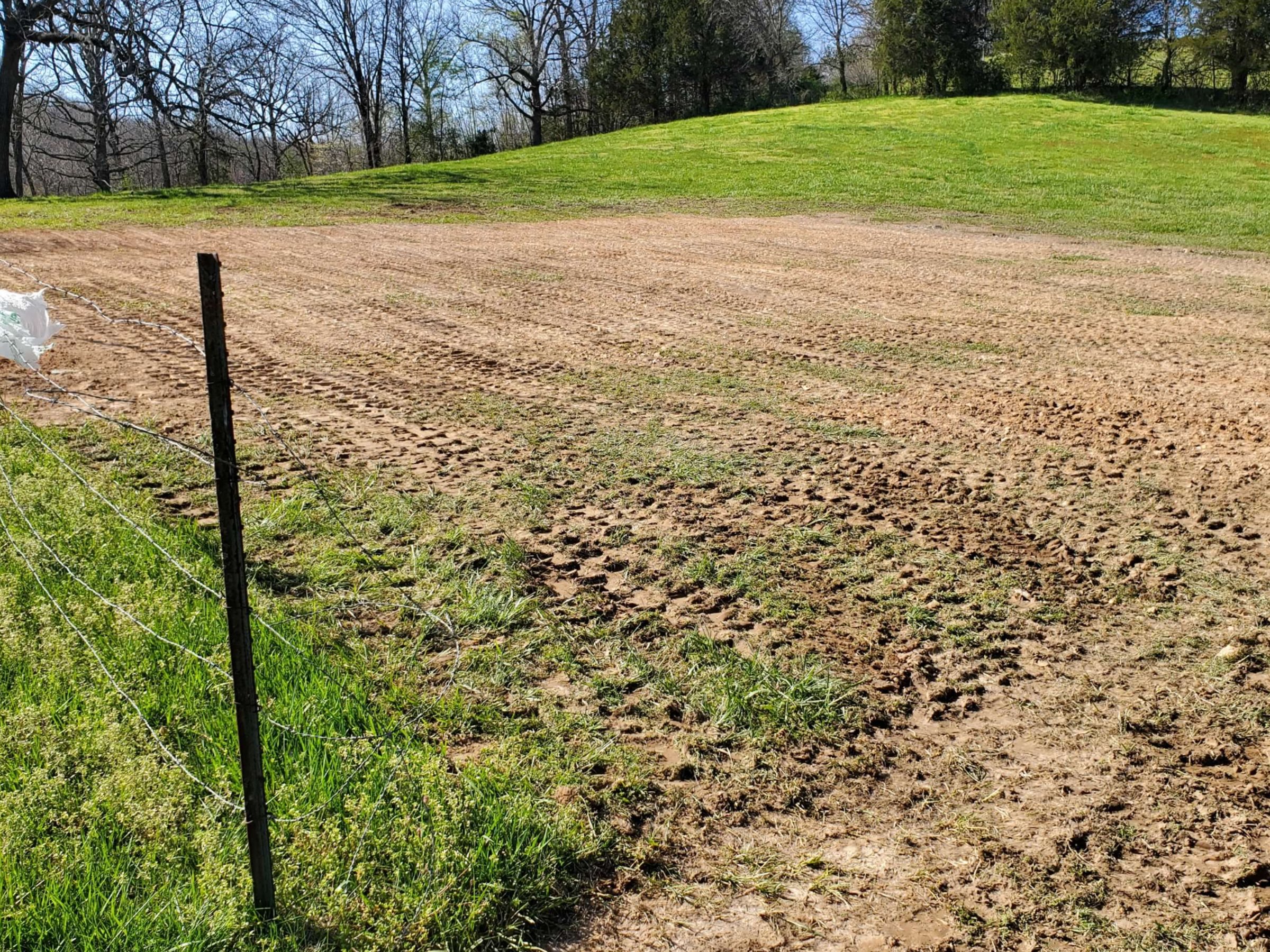
Once underground work is covered, the surface can still look very different from the yard that was there before. This J&L Underground Construction project view shows a broad area of worked soil beside grass and fencing. It illustrates a part of the job that should be discussed before the first excavation: what surface work is included afterward.
Backfill, grading, and lawn establishment are separate activities. Covering an installation does not automatically mean that topsoil, seed, watering, or a fully established lawn are included. A clear scope identifies which tasks the contractor will perform and what, if anything, remains for the property owner or another service provider.
Ask how the disturbed area should be treated once the job reaches that stage. Instructions may affect access, landscaping, and when the area can return to normal use. Where septic components are below ground, future plans also need to respect the system layout and access points.
If lawn establishment is part of the plan, identify who is responsible for its next steps and what instructions apply around the septic area. Do not automatically treat the restored surface like an ordinary construction fill area when deciding where to park or store materials. Ask which parts of the system lie below it and retain that information. The appearance of the finished yard should not erase the owner's understanding of the installation underneath.
Keeping before, during, and after photos can help you understand the transition. Retain those images alongside the system records so future changes are planned with the installation in mind. Call J&L Underground Construction at (417) 456-0551 to discuss septic work and the surface-restoration expectations that should be included in your project.