That Septic Access Lid Has an Important Job
Knowing where your system can be reached makes future service easier to organize.
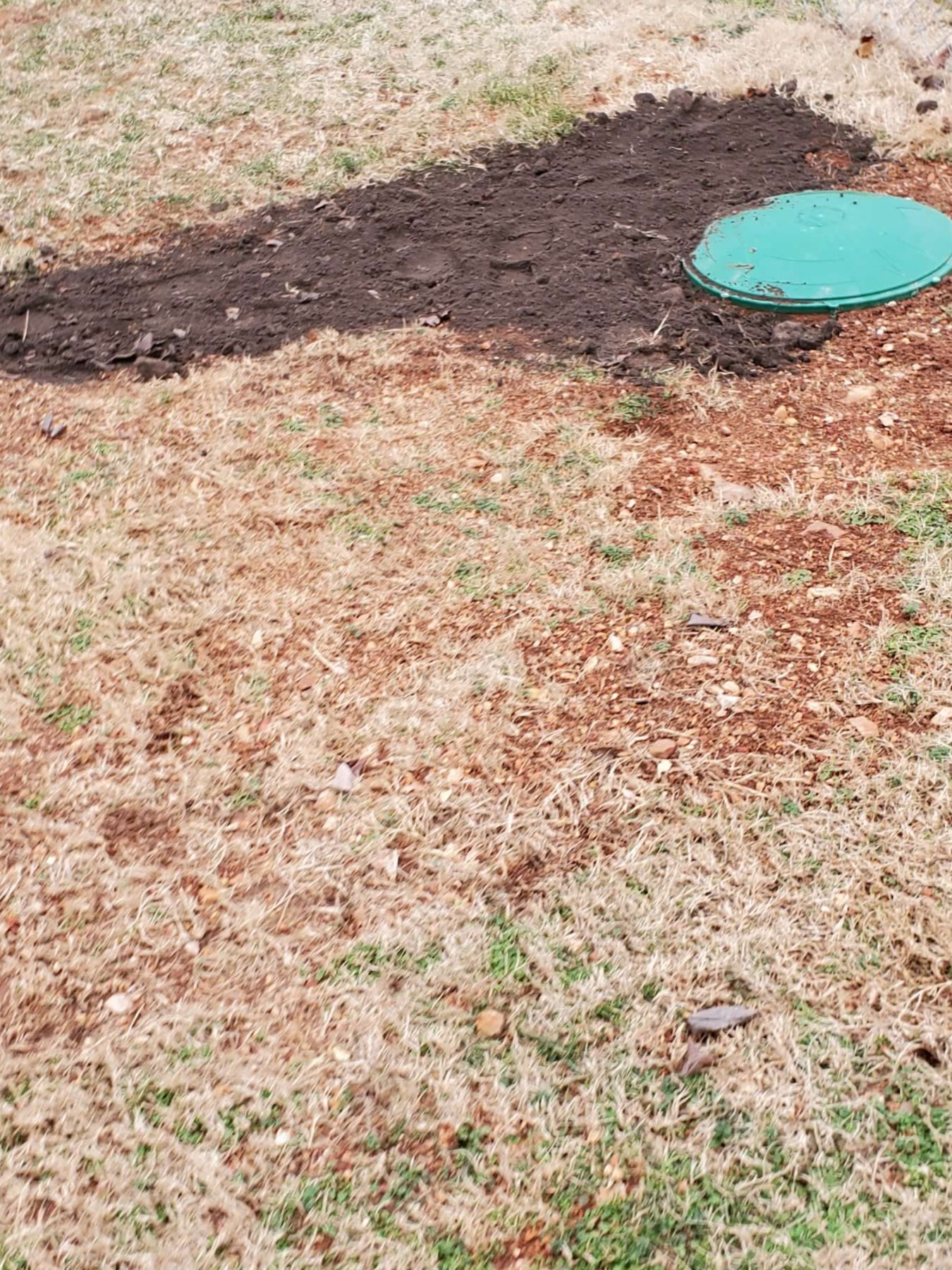
The round green cover in this J&L Underground Construction project marks a septic access point at the lawn surface. Most of the system is out of sight, but access is still part of owning and maintaining it. Knowing where covers are located helps you give a service provider useful information before an appointment.
After installation or service, ask for a simple explanation of the access points on your property. Find out which components they serve and keep that information with your system records. A photo showing the cover in relation to a fence, building, or other fixed feature can be helpful, especially as grass grows back and the site changes over time.
Think about access before landscaping around the area. Permanent features can make it harder to reach a component later, so discuss plans for a patio, fence, planting bed, or storage area before construction. An access cover should remain secure; identifying it does not mean opening it yourself. Have a qualified service provider handle work that requires removing a cover or reaching into the system.
If ownership or management of the property changes, pass along that access information. A new resident may recognize a lawn cover without knowing which company last serviced the system or what equipment is underneath it. A labeled property file helps bridge that gap. Include the service provider's report and any relevant product information so the next appointment begins with the history of the installation rather than an unfamiliar cover in the grass.
A septic project continues to matter after the equipment leaves. Keeping records and understanding the visible parts of the system gives you a better starting point when maintenance is needed. Call J&L Underground Construction at (417) 456-0551 with questions about septic installation, inspection, or access planning.