Outdoor Electrical Equipment Is Part of Underground Project Planning
The trench route and the connection points need to fit the same scope.
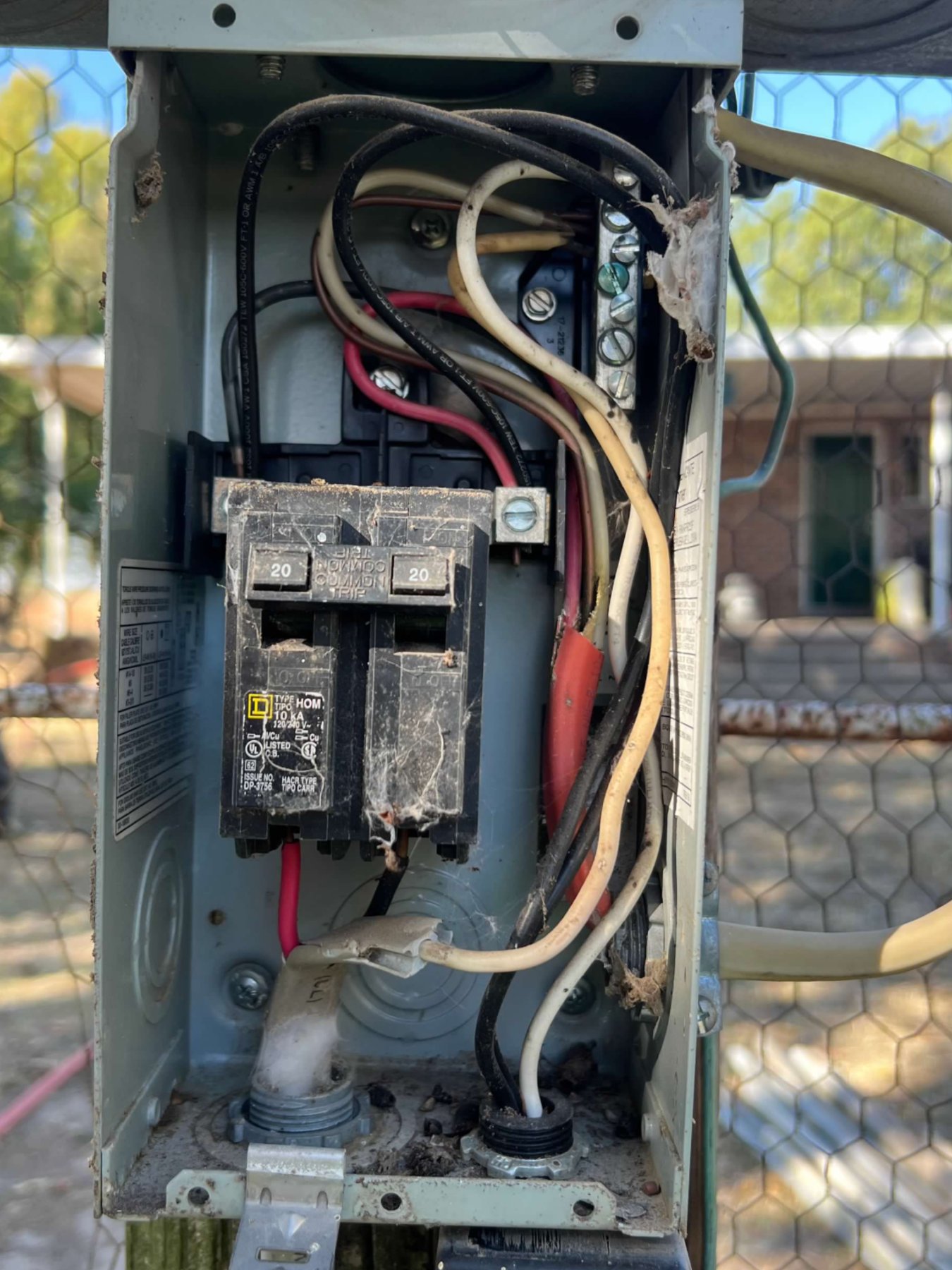
An underground electrical project needs a plan for more than the line through the yard. The visible equipment at either end is part of the site context, too. This J&L Underground Construction project photo shows an outdoor enclosure with a breaker and insulated wiring, illustrating why connection areas belong in the planning conversation.
Start by explaining what the project is intended to accomplish. A new underground feed, a replacement route, and a change to existing equipment are different scopes. The electrical professional responsible for the system needs to establish the electrical requirements, while excavation planning needs to align with that work.
Clarify responsibilities before digging begins. Ask who handles the route, who makes connections, who coordinates required checks, and when backfill can proceed. If more than one contractor is involved, their tasks need to relate to the same plan. The presence of an existing enclosure should not be treated as proof that it needs replacement.
If there are several visible enclosures or service points on the property, identify them clearly in the project discussion. A simple label on a site sketch can prevent confusion about which connection area the excavation is intended to support. Keep technical evaluation and equipment handling with the electrical professional. The owner's useful role is to explain the goal, share records, and help establish that everyone is discussing the same part of the site.
Property owners can help by sharing available records and identifying known service points without opening or handling electrical equipment themselves. Call J&L Underground Construction at (417) 456-0551 to discuss trenching and underground utility work for a planned electrical project. A clear scope helps connect the ground work with the installation it is meant to support.