Multiple Farm Buildings Can Mean Multiple Utility Routes
Several farm buildings share the scene in this J&L Underground Construction photo from the Exeter electric-and-water locate project. That wider view helps…
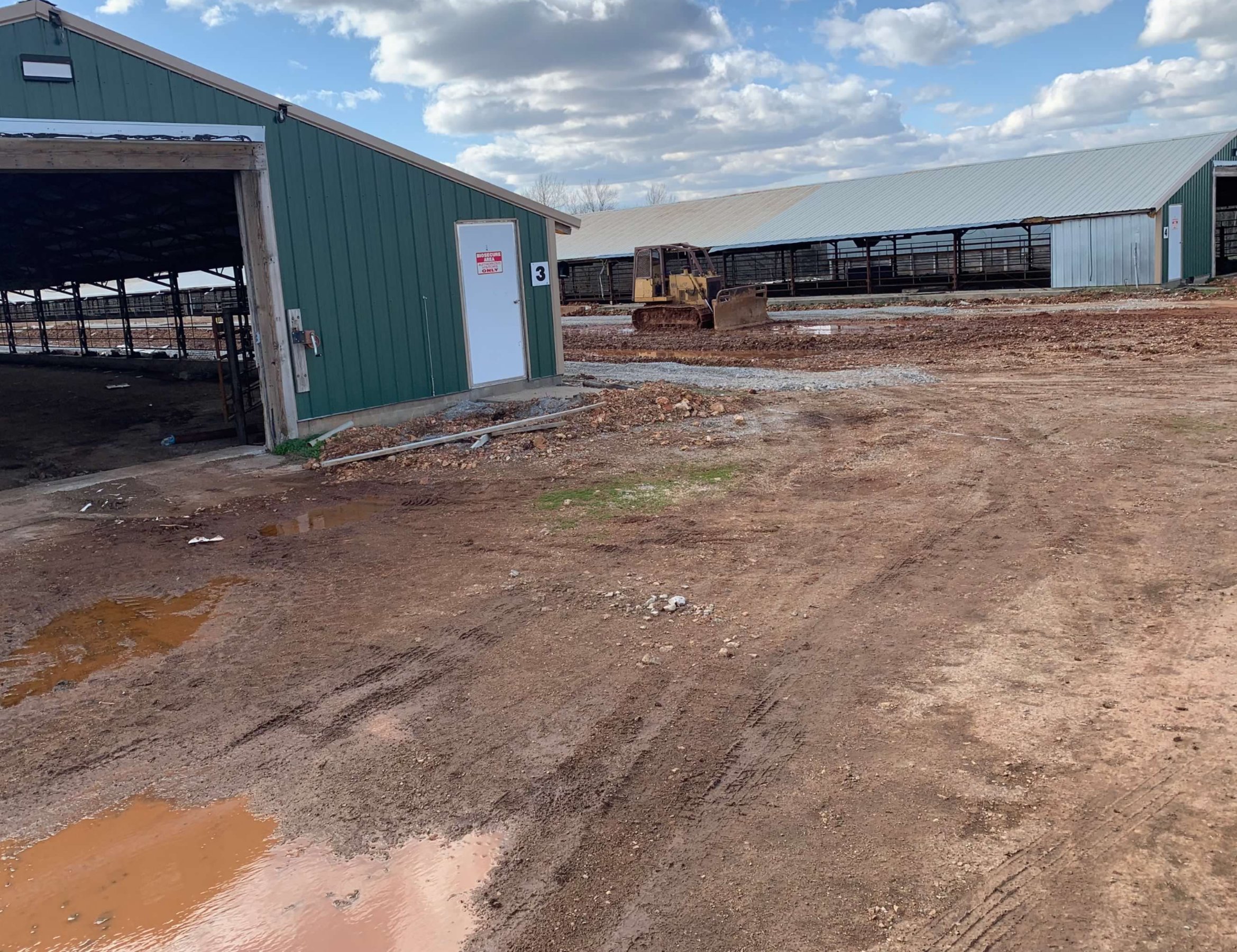
Several farm buildings share the scene in this J&L Underground Construction photo from the Exeter electric-and-water locate project. That wider view helps explain a common planning issue: the utility layout may connect several parts of the property rather than ending at one structure.
Before excavation, identify which buildings have water, electricity, or other buried connections. Tell the project team about known additions and any services that no longer appear to be in use. Do not assume an old line is abandoned simply because the building it served has changed. Its status needs to be established through the appropriate process.
The planned work should be described across the full area that will be disturbed. A route between two points, a new foundation, and equipment-related ground work may involve different portions of the site. Clear work limits help the locating conversation stay connected to the actual project.
On larger properties, it may be useful to identify who knows the history of each service. The person managing a building today may not be the person who arranged an older water extension or electrical installation. Bringing those records or contacts into the early discussion can help uncover questions that would otherwise emerge during excavation. Treat remembered information as context to investigate, not confirmation that a route or service status is correct.
Private locating complements the required utility notification process where owner-installed services are involved. The two roles should be understood before digging begins. Call J&L Underground Construction at (417) 456-0551 to discuss locating on a property with multiple buildings. Sharing the site layout and project goals early helps identify the information needed for the next step.