Rocky Ground Can Change the Septic Excavation Conversation
A site review helps bring difficult digging conditions into the project plan.
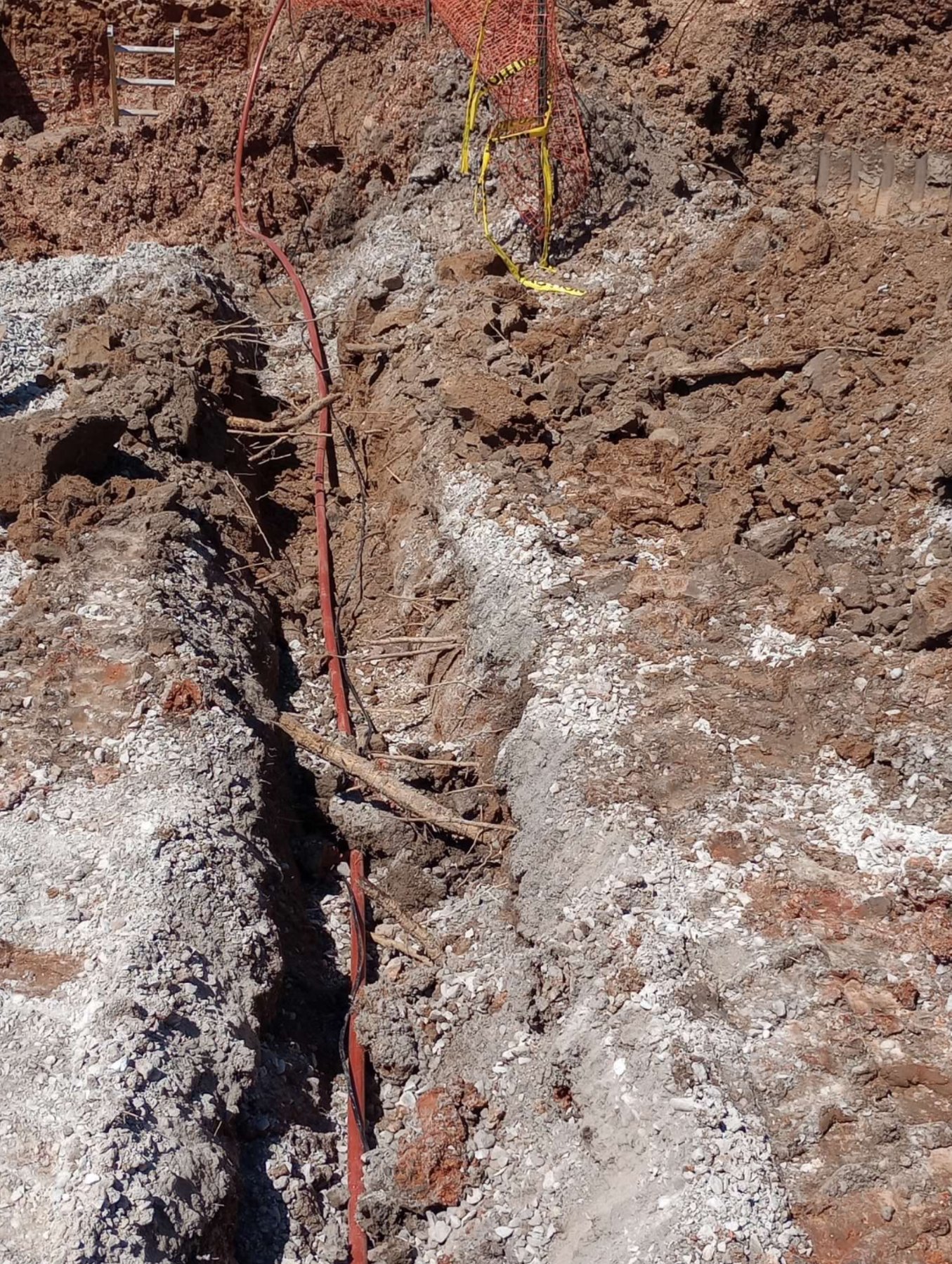
The ground beneath a property does not always resemble the soil visible at the surface. This J&L Underground Construction project shows an excavation through rocky material, with an equipment bucket, exposed ground, and orange mesh at the work area. Conditions like these are one reason a septic estimate needs to be tied to the actual site.
Before work begins, share any information from previous excavation, soil evaluation, or building projects. If rock has been encountered elsewhere on the property, tell the contractor. That history can help frame the conversation, although it cannot establish exactly what every part of a new excavation will contain.
Ask how the estimate treats difficult or concealed conditions. Understanding what is included—and how a change would be discussed—helps you compare proposals more meaningfully than looking only at the final price. Equipment access, excavation requirements, and installation sequencing may all need attention when the ground is challenging.
A useful estimate discussion should identify how decisions will be made if the exposed ground differs from expectations. Ask who will explain the finding, what options may need review, and how any agreed change will be documented. This does not predict that a problem will occur. It gives both sides a practical way to handle a discovery without leaving the customer uncertain about why the work or its scope has changed.
Site conditions also need to fit the approved septic design. A workable excavation is only one part of establishing a suitable installation. Call J&L Underground Construction at (417) 456-0551 to discuss your septic project, the information already available about the property, and the ground conditions that should be considered before scheduling.